Record of Places
History is the only lab that never closes.

Record of Places

History is the only lab that never closes.

Articles — Page 4

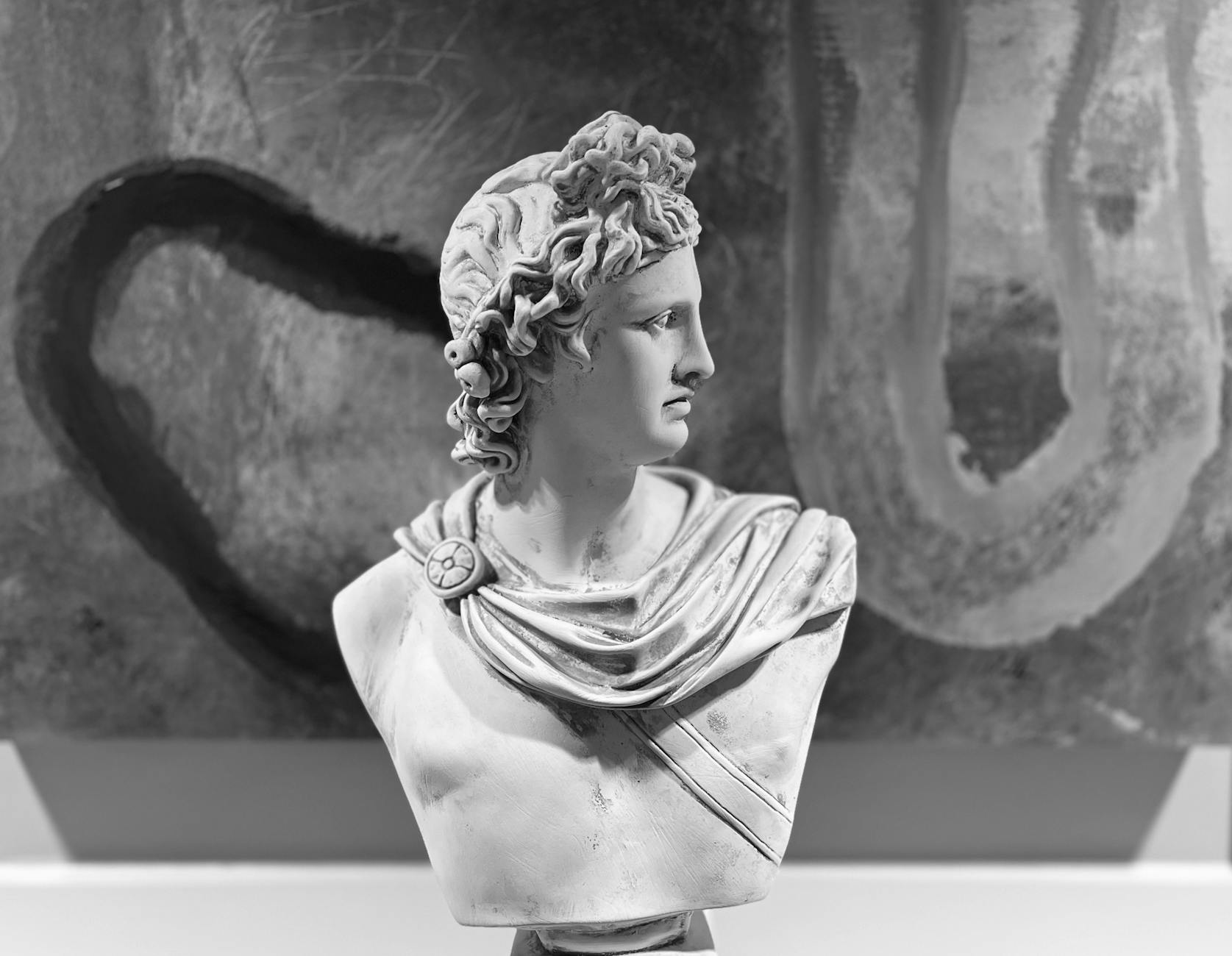
The Emperor Who Invented the Personal Brand: Augustus Caesar and the Curated Self
Culture & Technology

The Emperor Who Invented the Personal Brand: Augustus Caesar and the Curated Self

Two thousand years before the first smartphone, a Roman emperor commissioned thousands of identical idealized portraits and distributed them across an empire spanning three continents — ensuring that subjects who would never see his face still recognized it instantly, and recognized it as he wished it to be seen. The techniques Augustus Caesar used to construct and control his public image are not ancient history. They are the operating manual for how image-based power works in the present tense.

Mar 13, 2026
Seven Ghost Towns That Prove the Boom Was Never Going to Last
Culture & Technology

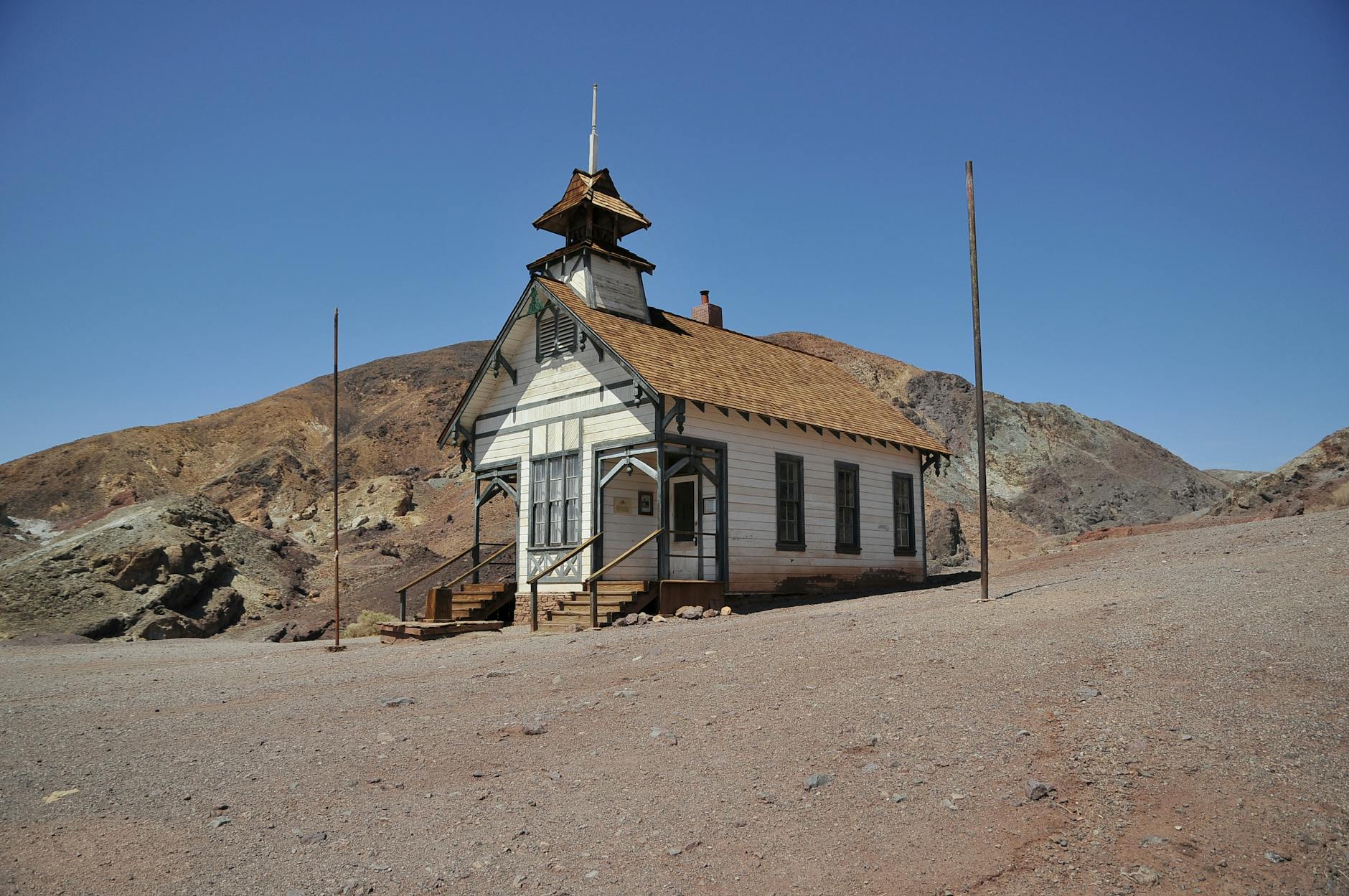
Seven Ghost Towns That Prove the Boom Was Never Going to Last

From the silver fields of Nevada to the abandoned subdivisions of the Florida Everglades fringe, Americans have spent two centuries building instant cities around single resources and walking away when those resources disappeared. These seven visitable ghost towns are not curiosities. They are case studies in a psychological pattern that has never once been interrupted by the lessons of the previous cycle.

Mar 13, 2026

Appius Claudius Would Have Recognized Robert Moses Immediately
Culture & Technology

Appius Claudius Would Have Recognized Robert Moses Immediately

When Rome's most ambitious censor broke ground on the Appian Way in 312 BC, he triggered the same political firestorms—displaced landowners, bypassed towns, accusations of cronyism—that consumed American legislatures two millennia later. The Interstate Highway System was not a modern invention. It was a rerun. And the script has barely changed a word.

Mar 13, 2026

The Places Where American Democracy Bled: A Tour of Political Violence We Keep Forgetting
Culture & Technology

The Places Where American Democracy Bled: A Tour of Political Violence We Keep Forgetting

Americans in 2026 speak of political division as though it were a novel affliction, a pathology unique to the present moment. The physical places where earlier cycles of American polarization reached their most extreme expressions tell a different story—one that is not reassuring, exactly, but that is considerably more honest than the myth of a lost golden age of civic harmony.

Mar 13, 2026

What America's Many Salems Actually Remember—and What That Tells Us About the People Who Named Them
Culture & Technology

What America's Many Salems Actually Remember—and What That Tells Us About the People Who Named Them

More than two dozen towns across the United States carry the name Salem, and the vast majority of them have nothing to do with witches. The naming history of these places is a quiet archive of settler psychology—a record of what communities wanted to signal about themselves at the moment they put a word on a map. What that record reveals is less about geography than about aspiration, reinvention, and the very human desire to borrow someone else's meaning.

Mar 13, 2026

Diocletian's Price Freeze: The 1,700-Year-Old Economic Experiment We Keep Failing to Learn From
Culture & Technology

Diocletian's Price Freeze: The 1,700-Year-Old Economic Experiment We Keep Failing to Learn From

In 301 AD, the Roman Emperor Diocletian issued one of the ancient world's most ambitious economic decrees—a sweeping freeze on prices across the empire that collapsed almost immediately under the weight of human behavior. The pattern it revealed has repeated itself from Revolutionary War Philadelphia to Nixon's White House, raising an uncomfortable question: if the experiment has run this many times with the same result, why do we keep running it?

Mar 13, 2026

Plymouth's Agricultural Disaster and the Myth of American Self-Reliance It Left Behind
Culture & Technology

Plymouth's Agricultural Disaster and the Myth of American Self-Reliance It Left Behind

The Pilgrims who landed at Plymouth in 1620 were, by almost any agricultural measure, catastrophically unprepared for what they had undertaken. The early years of the colony were defined not by providential abundance but by chronic mismanagement, mass death, and a dependence on Indigenous knowledge that the founding mythology of Thanksgiving has consistently obscured. What that failure actually bequeathed to American culture is something more complicated—and more revealing—than gratitude.

Mar 13, 2026

The Rise, Fall, and Reinvention of Digg: A Chronicle of the Internet's Most Dramatic Rivalry
Culture & Technology

The Rise, Fall, and Reinvention of Digg: A Chronicle of the Internet's Most Dramatic Rivalry

Few stories in the history of the early internet are as dramatic, instructive, or bittersweet as the rise and fall of Digg. Once the undisputed king of social news aggregation, Digg's journey from Silicon Valley darling to cautionary tale — and its subsequent attempts at reinvention — offers a fascinating window into how digital communities are built, broken, and sometimes rebuilt. Here is the full story.

Mar 12, 2026