The Psychology of Place Names: How Cities Engineer Their Own Identity Through Strategic Rebranding
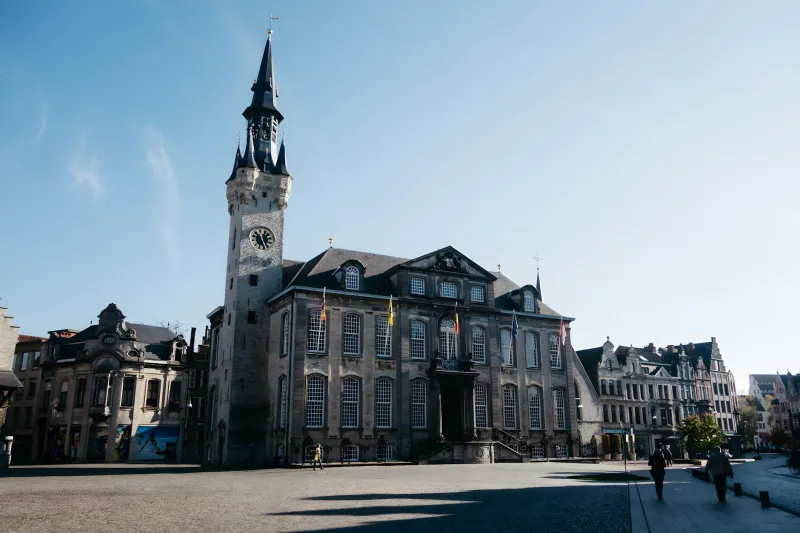
The Psychology of Place Names: How Cities Engineer Their Own Identity Through Strategic Rebranding
When Istanbul officially became Istanbul in 1930, Mustafa Kemal Atatürk wasn't simply updating postal addresses. He was conducting an experiment in collective psychology that would have been familiar to Marcus Aurelius, who understood that perception shapes reality more powerfully than facts ever could. The Turkish leader recognized what American marketing executives would later codify into corporate doctrine: names carry emotional weight, and changing them can fundamentally alter how people relate to a place.
This principle has operated consistently across five millennia of human settlement. From ancient Babylon's ceremonial renaming of conquered cities to the suburban developers who transformed "Swamp Creek" into "Willowbrook Estates," the psychology behind place naming reveals unchanging patterns in how humans construct meaning from their environment.
The Ancient Precedent for Modern Rebranding
Roman emperors understood toponymic psychology with surgical precision. When Hadrian rebuilt Jerusalem in 135 CE and renamed it Aelia Capitolina, he wasn't merely honoring himself—he was attempting to sever the psychological connection between the Jewish population and their ancestral homeland. The strategy failed spectacularly, creating a resistance that persisted for centuries, but the underlying logic was sound: names anchor identity, and severing that anchor can reshape entire populations.
This same psychological mechanism explains why Stalin methodically renamed hundreds of Soviet cities. Stalingrad, Leningrad, Kaliningrad—each represented an attempt to overwrite existing cultural memory with new ideological associations. The strategy worked precisely because it exploited a fundamental aspect of human cognition: we think in language, and controlling language controls thought.
American Towns and the Great Embarrassment Purge
American history offers a particularly rich laboratory for studying toponymic psychology because the country's rapid expansion created thousands of settlements with names that later proved problematic. The results reveal consistent patterns in how communities respond to nominal embarrassment.
Consider Hell, Michigan, which has steadfastly refused to rebrand despite decades of tourism-board pressure. The town's psychological attachment to its provocative name demonstrates what researchers call "identity investment"—once a community has incorporated a name into its sense of self, changing it feels like erasure rather than improvement.
Contrast this with the dozens of American towns that quietly shed embarrassing monikers. French Lick, Indiana briefly considered rebranding in the 1980s before deciding that the name's historical authenticity outweighed its snicker factor. Meanwhile, hundreds of settlements originally named for bodily functions, ethnic slurs, or geographical features deemed unsavory have vanished into more palatable alternatives.
The Corporate Model Applied to Civic Identity
The most revealing modern examples come from planned communities where developers applied corporate branding principles from inception. Places like Celebration, Florida, and The Woodlands, Texas represent pure experiments in toponymic psychology—names chosen through focus groups and market research rather than organic historical development.
These engineered communities succeed because they understand what ancient city-builders knew intuitively: names must match aspirations, not reality. "The Woodlands" suggests natural beauty and environmental harmony, never mind that it was carved from cleared farmland. "Celebration" promises perpetual happiness, regardless of actual resident satisfaction surveys.
The psychology works because humans consistently prioritize narrative coherence over factual accuracy. We want our place names to tell us who we are and who we might become, not necessarily where we actually live.
When Rebranding Backfires: The Alienation Effect
Historical evidence suggests that toponymic changes succeed only when they align with existing community psychology or respond to genuine embarrassment. Imposed changes—whether by conquering armies, distant governments, or outside developers—frequently create lasting resentment.
The Soviet Union's systematic renaming program ultimately failed because it ignored local psychological attachments. When the USSR collapsed, cities rushed to reclaim their original names, suggesting that forced toponymic changes create psychological resistance rather than genuine acceptance.
American examples follow similar patterns. When postal authorities or state governments attempt to consolidate or modernize place names without community input, residents often develop stronger attachments to the supposedly obsolete versions. This "reactance effect" explains why some communities fight harder to preserve embarrassing names than they ever fought to acquire respectable ones.
The Digital Age and Accelerated Naming
Modern technology has accelerated toponymic psychology in unexpected ways. GPS systems and social media platforms become arbiters of official place names, sometimes overriding centuries of local usage. When Google Maps labels a neighborhood, that designation often becomes more "real" than traditional community boundaries.
This digital toponomy operates by the same psychological principles that governed ancient naming practices: repetition creates legitimacy, and widespread usage trumps official designation. The difference lies in speed—what once took generations now happens in months.
The Laboratory That Never Closes
Place naming represents one of humanity's oldest continuous experiments in applied psychology. Every renamed city, rebranded neighborhood, and rechristened landmark provides data about how humans construct identity through language. The patterns remain remarkably consistent across cultures and centuries: names must feel authentic to their users, must serve psychological needs rather than merely practical ones, and must allow communities to tell themselves compelling stories about their own significance.
The next time you encounter a place with an obviously engineered name—whether it's "Heritage Hills" or "Innovation District"—you're witnessing the latest iteration of a psychological strategy that stretches back to the first human settlements. The techniques have been refined, but the underlying truth remains unchanged: we are the stories we tell about where we live, and those stories begin with names.