Sacred Ground from Bitter Defeats: How America Transforms Its Losses into Landscape

The Alchemy of Defeat
Stand at the Little Bighorn Battlefield in Montana and you're witnessing a masterpiece of American psychological transformation. Where Lakota and Cheyenne warriors destroyed George Custer's 7th Cavalry in 1876, the National Park Service now maintains a carefully curated landscape of loss that somehow manages to honor both the defeated cavalry and the victorious tribes. White marble headstones mark where soldiers fell, while newer red granite markers commemorate Native American warriors. The site transforms military catastrophe into shared heritage, turning the geography of defeat into common ground.
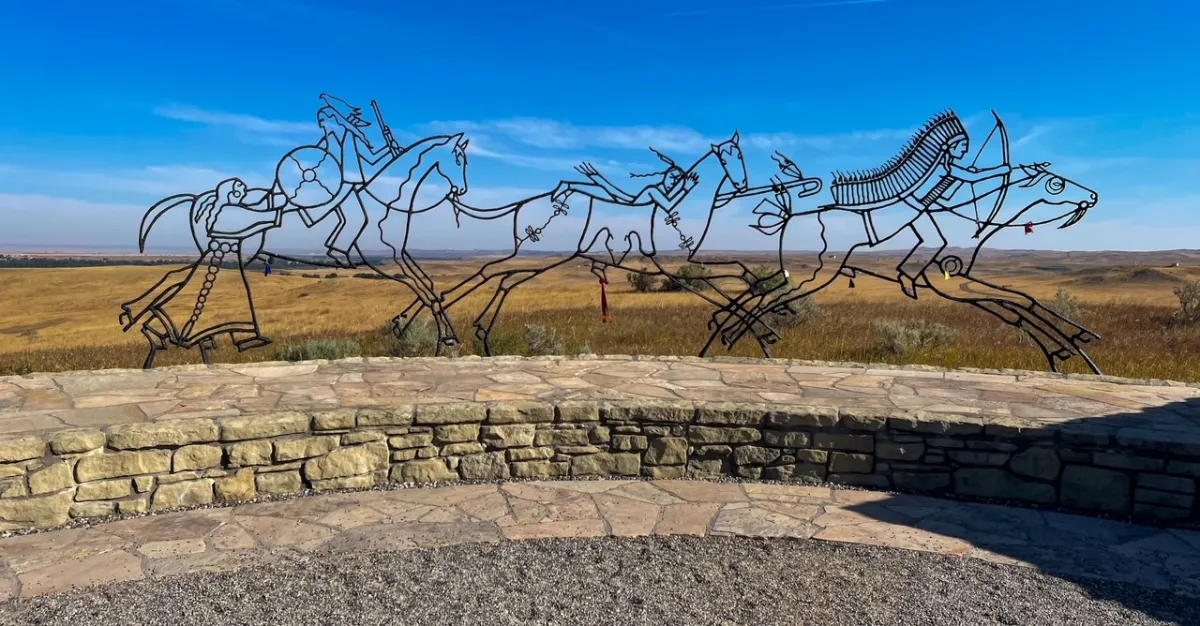 Photo: Little Bighorn Battlefield, via www.beyondmydoor.com
This transformation didn't happen immediately. For nearly a century, Little Bighorn was memorialized exclusively as Custer's heroic last stand against savage enemies. Only in 1991 did Congress authorize the Indian Memorial, and only in 2003 did the site's name change from Custer Battlefield to Little Bighorn Battlefield. The memorial landscape we see today required 127 years of careful psychological processing to transform raw defeat into acceptable memory.
Little Bighorn exemplifies a distinctly American approach to memorializing loss: we build monuments to our defeats, but only after we've decided what those defeats should mean for the living. The physical sites of American trauma become laboratories for working out contemporary conflicts about identity, justice, and national purpose. The landscape remembers, but it remembers what we need it to remember right now.
The Delayed Recognition Pattern
American defeat memorials follow a predictable temporal pattern. The immediate aftermath of traumatic events produces denial, blame-shifting, and competing narratives about what actually happened. Only after several decades—sometimes several generations—do these sites receive official recognition as places of historical significance. This delay isn't accidental; it's psychologically necessary.
The Centralia mine disaster of 1947 killed 111 miners in Illinois, but the site didn't receive a proper memorial until 1982. The 35-year gap allowed time for legal battles to conclude, responsible parties to die, and the community to process its grief without the complications of ongoing litigation. By 1982, the memorial could focus on honoring the dead rather than assigning blame to the living.
Similarly, the 1921 Tulsa Race Massacre remained largely unacknowledged for 80 years. The Greenwood district's destruction was systematically erased from local memory through a combination of legal suppression, media silence, and institutional forgetting. Only in 2001 did the Oklahoma legislature authorize a memorial, and only in 2020 did the massacre receive widespread national attention. The century-long delay allowed the memorial to emerge as a symbol of racial reconciliation rather than a demand for immediate justice.
This pattern reveals how memorial landscapes function as psychological safety valves. They acknowledge traumatic events only when that acknowledgment serves contemporary political and social needs rather than threatening them.
The Sanitization Process
American defeat memorials undergo systematic sanitization that transforms specific political conflicts into universal human tragedies. This process removes the sharp edges of historical events to make them suitable for public commemoration and tourism development.
At Wounded Knee, where the 7th Cavalry massacred approximately 300 Lakota men, women, and children in 1890, the memorial landscape emphasizes the tragedy of cultural misunderstanding rather than the deliberate violence of military policy. Interpretive materials focus on the broader context of westward expansion and cultural conflict, deflecting attention from the specific decisions and individuals responsible for the massacre.
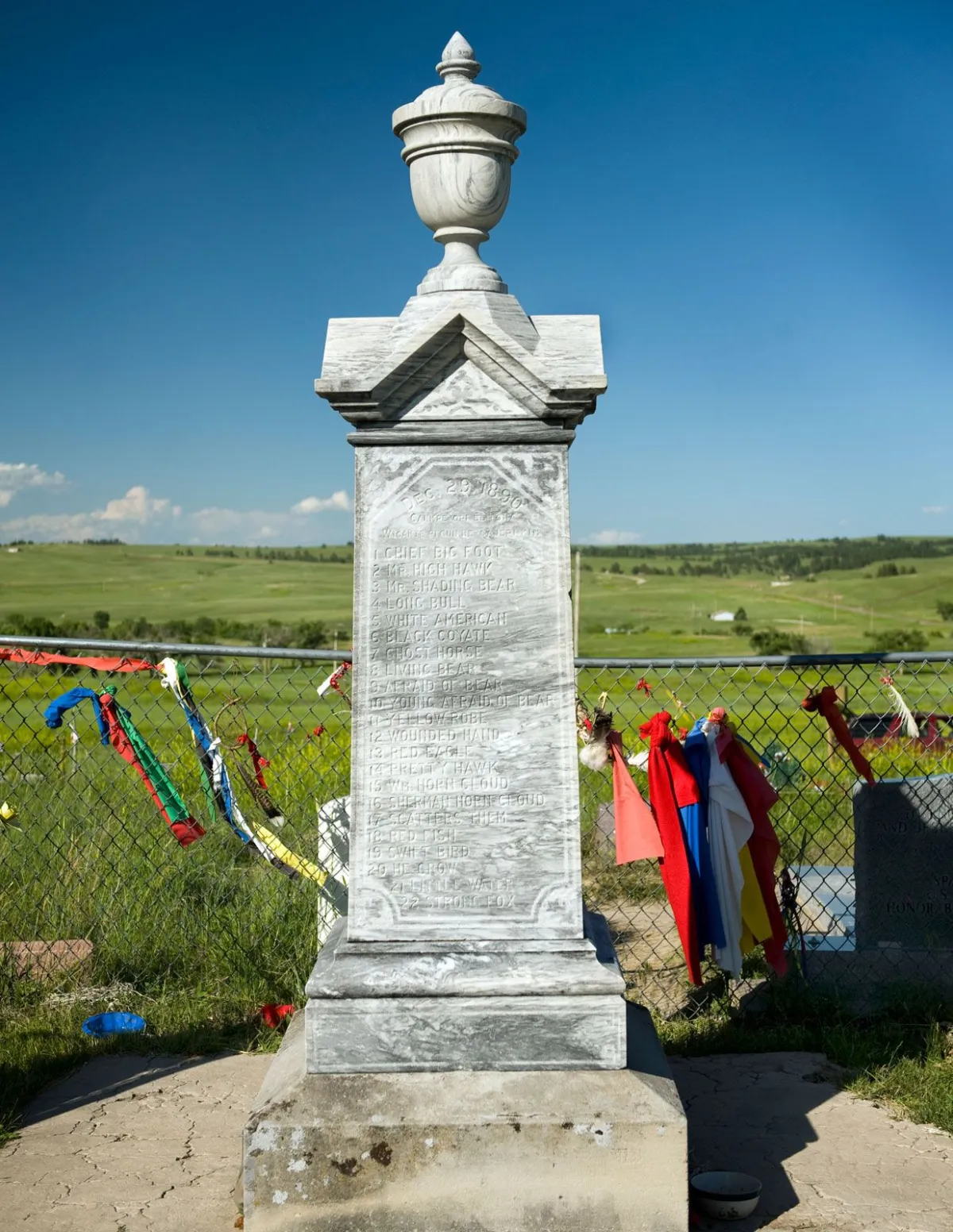 Photo: Wounded Knee, via cdn.britannica.com
The Flight 93 National Memorial in Pennsylvania demonstrates how quickly this sanitization can occur. The site where passengers fought hijackers on September 11, 2001, was transformed into a memorial landscape within a decade. But the memorial emphasizes heroic sacrifice and national unity rather than the geopolitical conflicts that motivated the attacks. Visitors learn about courage and resilience, not about American foreign policy in the Middle East.
This sanitization serves important psychological functions. It allows Americans to acknowledge historical trauma without accepting historical responsibility, and it transforms divisive events into unifying symbols. But it also systematically distorts the historical record by removing the political context that made these defeats meaningful.
The Economics of Memorial Tourism
Defeat memorials generate substantial tourism revenue, creating economic incentives for communities to embrace their traumatic histories. The Little Bighorn Battlefield attracts over 300,000 visitors annually, supporting local businesses in a region with few other tourist attractions. Gettysburg's battlefield tourism industry generates over $100 million yearly for the surrounding community.
This economic dimension shapes how memorial landscapes are developed and interpreted. Sites must balance historical accuracy with visitor expectations, often emphasizing dramatic narratives over complex political realities. The result is a form of "dark tourism" that packages tragedy for consumption by audiences seeking meaningful experiences.
The Sixth Floor Museum at Dealey Plaza in Dallas exemplifies this dynamic. The site of President Kennedy's assassination has been transformed into a major tourist attraction that carefully manages the traumatic aspects of the event to provide visitors with a meaningful but not overwhelming experience. The museum focuses on Kennedy's life and legacy rather than the political divisions that may have contributed to his death.
Similarly, Pearl Harbor's memorial landscape emphasizes American resilience and military honor while downplaying the geopolitical conflicts that led to the attack. The site attracts over 1.7 million visitors annually, making it Hawaii's most popular tourist attraction after Waikiki Beach.
The Psychology of Selective Memory
American defeat memorials reveal systematic patterns in how societies choose to remember traumatic events. These sites preserve certain aspects of historical trauma while systematically forgetting others, creating memorial landscapes that serve contemporary psychological needs rather than historical accuracy.
The most striking pattern is the tendency to memorialize defeats that can be reframed as moral victories. Custer's Last Stand becomes a symbol of military courage, the Alamo becomes a symbol of sacrifice for freedom, and Flight 93 becomes a symbol of civilian heroism. These reframings transform military and political failures into cultural successes.
Conversely, defeats that resist moral reframing tend to remain unmemorialized or receive delayed, limited recognition. The My Lai Massacre site in Vietnam has no official American memorial, and domestic sites of government violence against civilians—like the 1985 MOVE bombing in Philadelphia—receive minimal official acknowledgment.
This selective memory serves important psychological functions for national identity. It allows Americans to acknowledge the reality of historical trauma while maintaining faith in national institutions and values. But it also creates a distorted historical landscape where the geography of American defeat becomes a celebration of American character.
Contemporary Memorial Conflicts
Recent debates over Confederate monuments reveal how memorial landscapes become battlegrounds for contemporary political conflicts. The statues erected during the Jim Crow era to commemorate Confederate defeats were never really about the Civil War—they were about establishing white supremacist control over public space and historical memory.
The removal of these monuments represents a fundamental shift in how American communities negotiate the relationship between past defeats and present identity. Instead of using memorial landscapes to sanitize historical trauma, some communities are choosing to confront the ongoing political consequences of that trauma.
Similarly, debates over Native American monument names and imagery reflect broader conflicts over how American expansion should be remembered and commemorated. The recent renaming of geographical features that honored figures associated with Native American genocide represents an attempt to align memorial landscapes with contemporary values rather than historical precedent.
These conflicts demonstrate that memorial landscapes are never politically neutral. They embody specific interpretations of historical events and particular visions of contemporary identity. The sites where Americans choose to memorialize their defeats reveal as much about present politics as past events.
The Laboratory of Collective Memory
American defeat memorials function as laboratories for testing how societies can acknowledge historical trauma without undermining social cohesion. These sites experiment with different approaches to balancing historical accuracy with psychological comfort, individual grief with collective meaning, and local memory with national narrative.
The most successful memorial landscapes manage to honor multiple, often contradictory perspectives on traumatic events. Little Bighorn's dual commemoration of cavalry soldiers and Native American warriors creates space for competing historical narratives while avoiding explicit political judgments about the justice of either side's cause.
But this inclusive approach comes at the cost of historical clarity. By trying to honor everyone, these memorials often end up explaining nothing. They preserve the emotional impact of historical trauma while obscuring the political conflicts that made that trauma meaningful.
The result is a memorial landscape that serves important psychological functions for contemporary Americans while providing limited insight into actual historical events. These sites tell us more about how the living need to remember the dead than about what actually killed them.
The Persistent Questions
American defeat memorials raise fundamental questions about the relationship between memory and geography, trauma and tourism, historical accuracy and social cohesion. These sites demonstrate how physical landscapes can be consciously designed to serve specific psychological and political functions, but they also reveal the limitations of memorial architecture as a tool for historical understanding.
Perhaps most importantly, these memorials illustrate how the geography of defeat becomes a resource for the living rather than a record of the dead. The places where Americans lost battles, suffered massacres, and experienced national trauma are systematically transformed into sites that serve contemporary needs for meaning, identity, and moral instruction.
This transformation isn't necessarily problematic, but it requires acknowledgment. When we visit sites of historical defeat, we're not encountering the past directly—we're experiencing carefully constructed interpretations of that past designed to serve present purposes. The landscape remembers, but it remembers selectively, strategically, and always in service of the living rather than the dead.