The Invisible Architect: How Yellow Fever Built the American South's Social Geography
The Disease That Drew the Map
In 1793, Philadelphia's yellow fever epidemic killed one in ten residents and sent the federal government fleeing to temporary quarters. But in Charleston, Savannah, and New Orleans, the same disease had become a permanent resident—so familiar that locals developed an entire mythology around it. They called it the "stranger's disease" because it seemed to spare those born in the region while devastating newcomers. They blamed it on moral corruption, night air, and the proximity of swamps. What they didn't know was that Aedes aegypti mosquitoes were teaching them where to build their cities, whom to enslave, and how to organize their entire society.
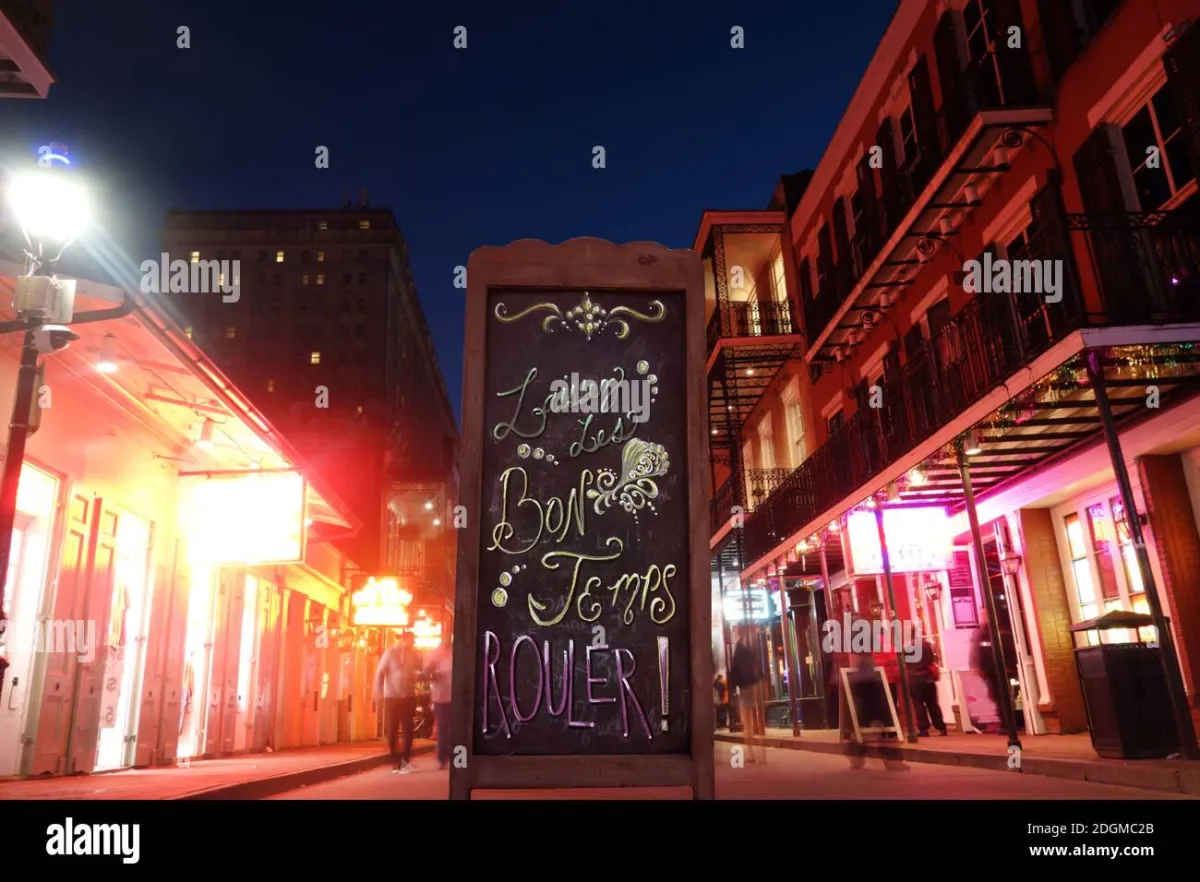 Photo: New Orleans, via c8.alamy.com
The fever's true lesson wouldn't be understood until the 1900s, but by then it had already authored the geography of American slavery and left its signature on settlement patterns that persist today. This invisible architect worked through human psychology, exploiting every cognitive bias and social prejudice available to construct a regional economy perfectly adapted to its own reproduction.
The Immunity That Built an Empire
Southern planters noticed early that enslaved Africans seemed to survive yellow fever at higher rates than European indentured servants or free white laborers. This observation, filtered through the racial pseudoscience of the era, became economic justification for the expansion of slavery into precisely those regions where yellow fever was endemic. The disease had created what appeared to be a natural division of labor: Africans for the deadly lowcountry rice fields, Europeans for the healthier upland cotton regions.
The reality was more complex. Many West Africans carried genetic resistance to yellow fever, and childhood exposure in endemic regions provided immunity that lasted a lifetime. But planters interpreted this survival advantage through their existing beliefs about racial hierarchy, concluding that Africans were naturally suited for tropical labor while Europeans were meant for supervision and skilled work. Yellow fever had handed them a biological argument for slavery that seemed to emerge from the landscape itself.
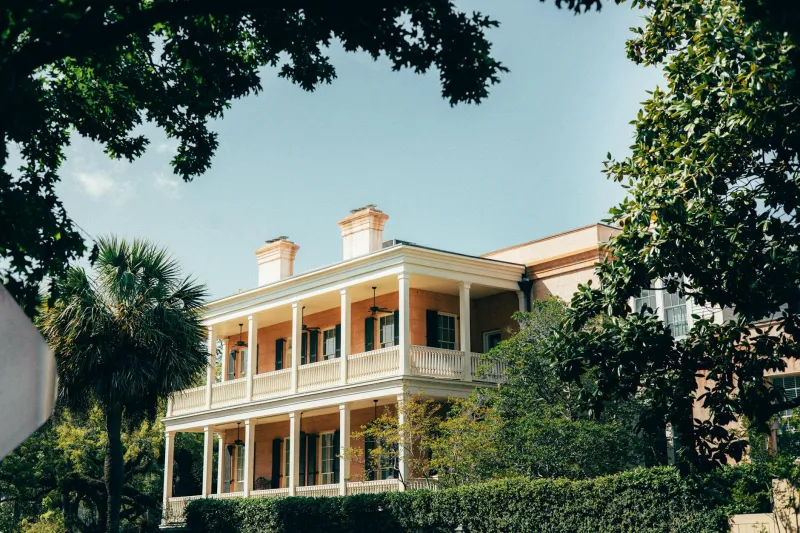
This perceived immunity shaped settlement patterns across the South. Coastal cities like Charleston and Savannah developed distinct seasonal rhythms, with wealthy families retreating to inland plantations during "fever season" while enslaved populations remained to tend the rice fields. The disease created a geographical apartheid that reinforced social hierarchies, with elevation and distance from water becoming markers of both health and status.
Cities Built Around Seasonal Death
New Orleans offers the clearest example of how yellow fever shaped urban development. The city's famous above-ground cemeteries weren't just a response to the high water table—they were monuments to a disease that killed so reliably that entire neighborhoods organized themselves around the rhythm of epidemic and recovery.
The French Quarter's distinctive architecture, with its raised cottages and expansive galleries, reflected strategies for surviving fever season that had nothing to do with the actual disease vector. Residents believed that elevation and air circulation would protect them from the "miasma" that caused yellow fever, so they built accordingly. The result was a built environment perfectly adapted to the wrong theory of disease transmission, but accidentally well-suited to the subtropical climate.
Meanwhile, the city's economic calendar revolved around yellow fever's seasonal pattern. Business slowed during summer months when the disease peaked, creating a boom-and-bust cycle that shaped everything from shipping schedules to social seasons. Wealthy residents developed elaborate rituals of seasonal migration, retreating to higher ground or northern cities when the fever arrived, then returning when cooler weather supposedly made the air safe again.
The Politics of Invisible Death
Yellow fever's political influence extended far beyond individual cities. The disease shaped congressional debates over westward expansion, with Northern politicians arguing that tropical diseases made slavery economically necessary in certain regions while simultaneously making those regions unfit for white settlement. The fever had created what appeared to be natural boundaries for different labor systems, providing biological justification for political compromises over slavery's expansion.
Federal quarantine policies developed in response to yellow fever established precedents for federal intervention in local affairs that would later influence everything from public health responses to civil rights enforcement. When yellow fever threatened to spread beyond its traditional boundaries, it forced cooperation between states that otherwise jealously guarded their autonomy, creating administrative frameworks that outlasted the disease itself.
The fever also influenced immigration patterns and ethnic settlement. Irish and German immigrants, lacking immunity to yellow fever, concentrated in cities like Baltimore and St. Louis rather than the fever-prone ports of Charleston and New Orleans. This geographic sorting by disease vulnerability created distinct ethnic enclaves that shaped regional political coalitions for generations.
The Legacy of Misunderstood Geography
When medical science finally identified mosquitoes as yellow fever's vector in 1900, it revealed how thoroughly the disease had shaped Southern society through mistaken assumptions about its transmission. Drainage projects that eliminated mosquito breeding grounds suddenly made previously "unhealthy" areas safe for development, but by then the social and economic patterns established during the fever era had become embedded in law, custom, and physical infrastructure.
Today's Southern cities still bear yellow fever's architectural signature. The raised cottages, the seasonal rhythms of social life, the elevation-based status hierarchies—all persist as cultural artifacts of a disease that no longer threatens American soil. Modern urban planners working on climate adaptation often rediscover principles that yellow fever taught through trial and error: the value of elevation, natural ventilation, and seasonal flexibility in building design.
The disease's most lasting legacy may be the lesson it offers about how invisible forces shape visible landscapes. For two centuries, yellow fever operated as an unconscious urban planner, economic advisor, and political theorist, making decisions for human societies that thought they were making decisions for themselves. The South's distinctive geography emerged not just from human choices about slavery, agriculture, and settlement, but from the requirements of a parasite that turned human psychology into its most effective tool for environmental modification.
The Laboratory That Never Closes
Yellow fever's influence on Southern development offers a perfect case study in how environmental pressures work through human institutions rather than against them. The disease didn't prevent settlement in fever-prone areas—it shaped settlement patterns to serve its own reproductive needs while convincing humans they were acting in their own interests.
This dynamic continues today as climate change, emerging diseases, and environmental degradation shape contemporary development patterns through the same psychological mechanisms that yellow fever exploited three centuries ago. We make decisions about where to build, whom to include, and how to organize our societies based on our understanding of invisible threats, often discovering only later how thoroughly those threats have been making decisions for us.
The fever's story reminds us that the geography of human settlement is never purely human—it emerges from negotiations between human intentions and non-human forces that often remain invisible until long after they've done their work. Understanding any place requires understanding not just the people who built it, but the pathogens, parasites, and environmental pressures that helped design it through the medium of human psychology and social organization.