Borrowed Prosperity: The American Towns That Mortgaged Tomorrow for Dreams That Never Came
The Eternal Return of Collective Delusion
In 1887, the citizens of Coffeyville, Kansas gathered in their newly built opera house to vote on a proposal that would define their town's future. The railroad company had made them an offer: issue $50,000 in municipal bonds to fund a new line, and Coffeyville would become the commercial hub of southeastern Kansas. The alternative was economic irrelevance as the railroad bypassed them for more generous neighbors.
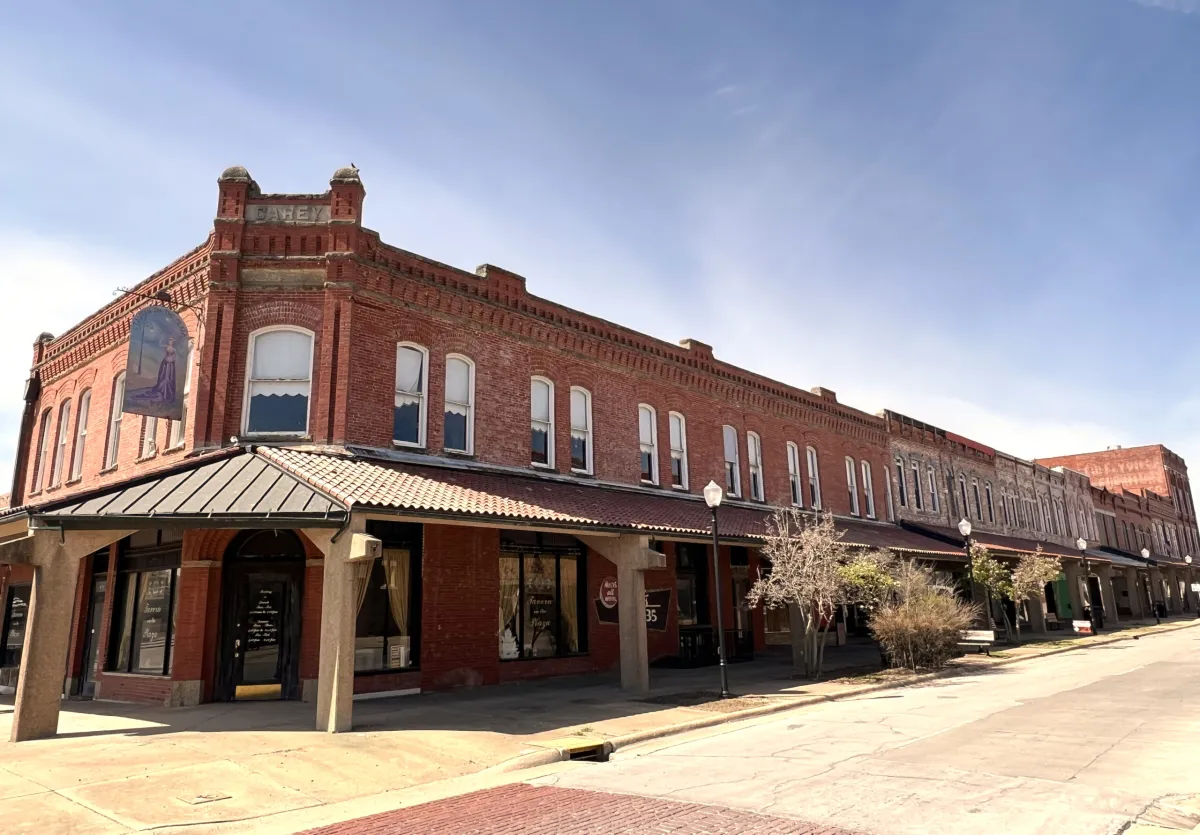 Photo: Coffeyville, Kansas, via onedelightfullife.com
The vote was unanimous. Within three years, Coffeyville was bankrupt, its railroad half-built, and its citizens facing tax rates that would take decades to pay off bonds for infrastructure that never materialized. They were not alone.
Between 1870 and 1920, thousands of American communities made identical calculations with identical results. The pattern reveals something fundamental about human psychology in groups: our capacity for collective self-deception remains unchanged across centuries of technological and social progress.
The Mathematics of Municipal Optimism
The post-Civil War railroad boom created a laboratory for studying mass financial delusion. Towns across the Midwest and West faced the same choice: pay for railroad connections or accept economic extinction. The rational response would have been regional cooperation or federal funding. Instead, communities entered a bidding war that enriched railroad companies while bankrupting the towns they claimed to serve.
The psychology driving these decisions mirrors every financial bubble in human history. Faced with an uncertain future, communities consistently chose expensive hope over cheap realism. Town leaders calculated potential benefits while ignoring probable costs. Citizens voted for bonds based on best-case scenarios while dismissing worst-case warnings as defeatism.
In Abilene, Texas, voters approved bonds worth twice the town's annual budget to fund a courthouse that would supposedly attract county seat designation. The courthouse was built, but the county seat went to a rival town that had offered a better location and lower taxes. Abilene spent thirty years paying for a monument to its miscalculation.
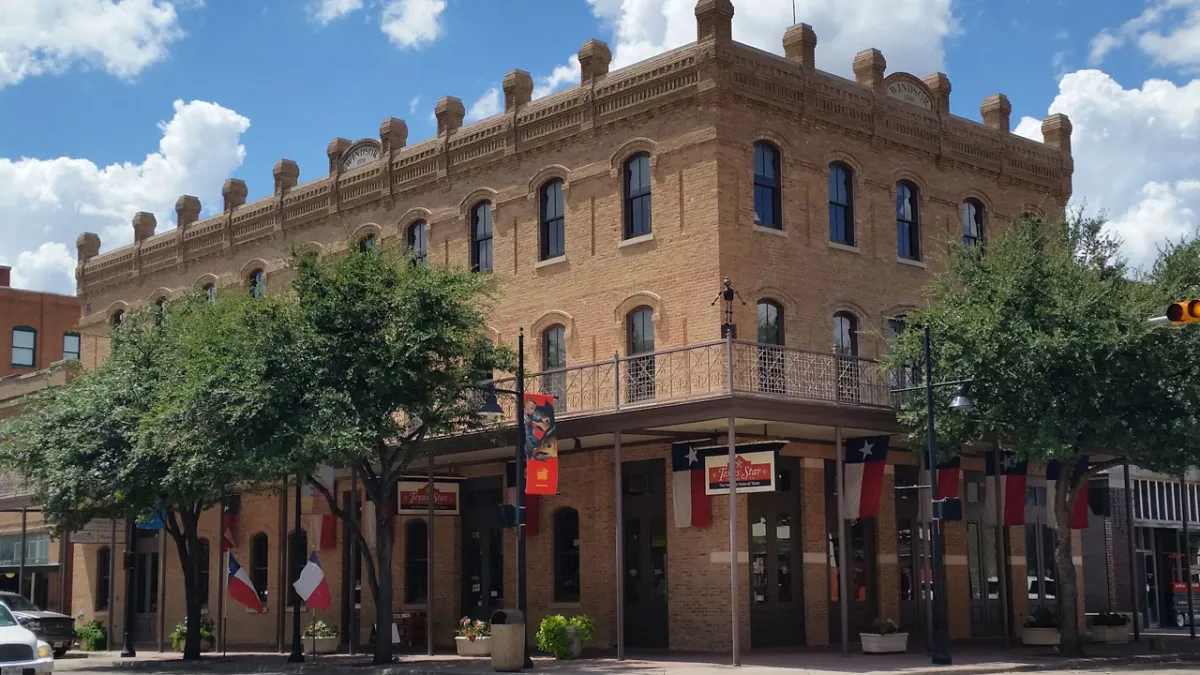 Photo: Abilene, Texas, via www.texasmonthly.com
Similar stories played out across America. Towns borrowed to build streetcar lines that served empty lots. Counties issued bonds for bridges that connected nowhere to nothing. Cities mortgaged their futures for water systems that served populations that never materialized.
The Institutional Enablers of Collective Folly
The municipal bond system that enabled this widespread financial suicide was designed to prevent exactly these outcomes. State laws required voter approval for municipal debt. Bond issues needed detailed feasibility studies. Interest rates were supposed to reflect actual risk.
In practice, these safeguards became tools for legitimizing collective delusion. Voter approval meant citizens shared responsibility for bad decisions. Feasibility studies provided official justification for predetermined conclusions. Regulated interest rates made risky investments appear safe by hiding their true cost.
Bond salesmen — the financial advisors of their era — perfected techniques for manufacturing civic consent that remain unchanged today. They emphasized benefits while minimizing costs. They compared proposed projects to successful examples while ignoring failures. They framed bond issues as investments in the community's children while downplaying the burden being placed on those same children's futures.
The salesmen succeeded because they understood a fundamental aspect of human psychology: groups are more susceptible to optimistic delusion than individuals. Citizens who would never mortgage their homes to buy lottery tickets voted enthusiastically to mortgage their towns for projects with similar odds of success.
The Persistence of Financial Fantasy
By 1920, the municipal bond bubble had collapsed under its own weight. Hundreds of towns defaulted on their debts. State governments imposed new restrictions on municipal borrowing. The era of unlimited civic optimism appeared to be over.
It was not. The same psychological mechanisms that drove the railroad bond mania have reasserted themselves in every subsequent generation. In the 1960s, cities issued bonds for urban renewal projects that destroyed more value than they created. In the 1980s, communities borrowed billions for sports stadiums that enriched team owners while burdening taxpayers. In the 2000s, municipalities sold their parking meters and water systems to private companies for upfront payments that seemed large but proved inadequate.
Each cycle follows an identical pattern. Promoters identify a civic need or opportunity. They propose a solution requiring substantial upfront investment. They promise benefits that will more than justify the costs. They frame opposition as selfishness or lack of vision. Citizens vote to approve spending they cannot afford for benefits they will not receive.
The Laboratory of Perpetual Optimism
The persistence of this pattern reveals something profound about human nature in democratic societies. We consistently overestimate our ability to predict and control future outcomes. We systematically underweight costs that will be paid later in favor of benefits that might be received sooner. We trust institutional safeguards to prevent bad decisions while using those same institutions to legitimize the bad decisions we want to make.
Modern Coffeyville still exists, its downtown dominated by the limestone courthouse built with borrowed money in 1887. The building is beautiful, well-maintained, and serves its community effectively. Visitors might conclude that the original bond issue was justified by history.
They would be wrong. The courthouse cost three times its original budget and took forty years to pay off. The economic growth it was supposed to catalyze never materialized. The town's population peaked in 1920 and has declined steadily since. The building succeeded as architecture but failed as investment — exactly like most municipal bond projects throughout American history.
The laboratory of history teaches us that human psychology under democratic pressure remains constant. Faced with uncertain futures, communities will consistently choose expensive hope over cheap realism. The only variables are the specific technologies and institutions that enable each generation's version of collective financial delusion. Understanding this pattern does not prevent its repetition — it only helps us recognize it while it happens.